
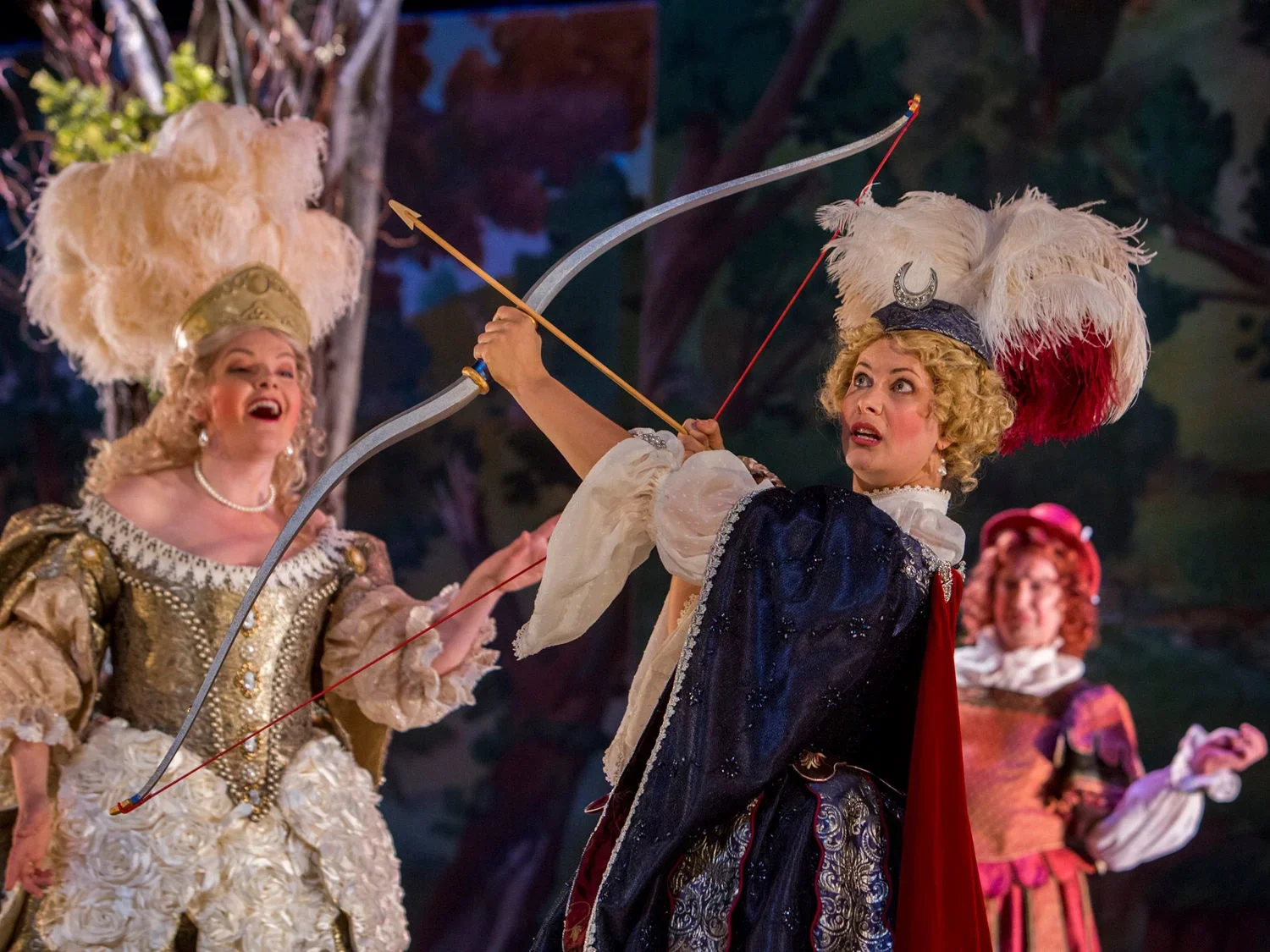
La Calisto, Haymarket Opera Company, 2016.
Classical-music critic and writer John von Rhein reflects on Haymarket at 15
What began as a glimmer in the eye of Craig Trompeter has grown to become one of the shining mainstays of Chicago music and of period-opera performance in the nation: Haymarket Opera Company.
The conclusion of HOC’s milestone 15th anniversary gives me an opportunity to look back at how the company came into being and how it has grown artistically, also to recall musical discoveries—and, indeed, revelations—that have given me pleasure over the years.
How Trompeter and friends managed to succeed where several precursors have failed makes a fascinating saga.
For some time before Haymarket opened its doors to the public in fall 2011, the veteran Chicago cellist and viola da gamba player got to thinking: Why does the midwestern hub of period-instrument performance lack an ensemble specializing in historically informed productions of mostly rare 17th and 18th century operas and oratorios?
So Trompeter set out to make it happen.
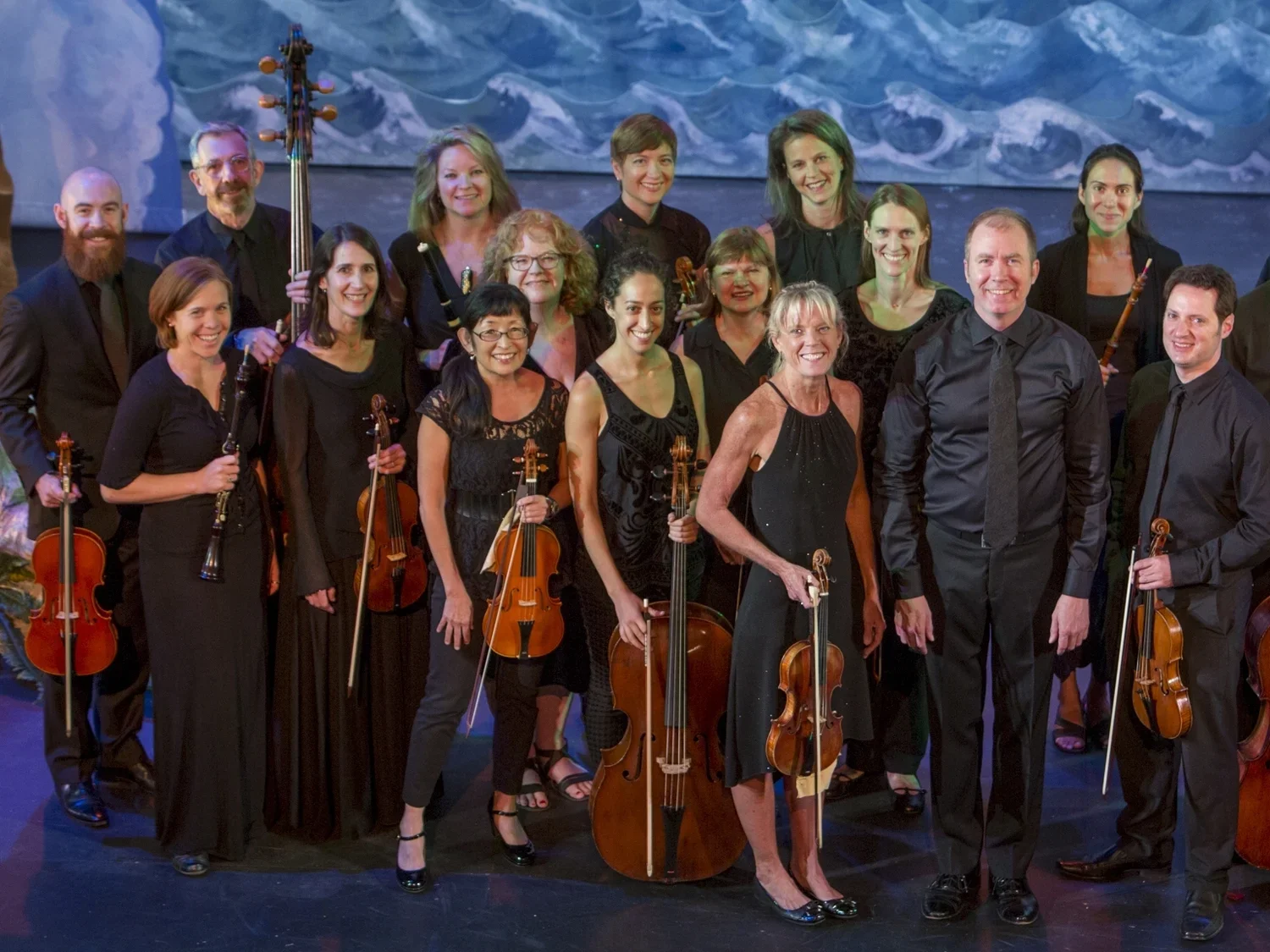
The Fairy Queen, Haymarket Opera Company, 2016.
He pitched the idea to like-minded musical colleagues, kicked around ideas for repertoire, threw a fundraiser, and formed a board of directors. The groundswell of support from friends, family, and colleagues encouraged him to push through the necessary paperwork to secure not-for-profit status from the Internal Revenue Service—in less than five weeks.
Thus the Haymarket Opera Company was born.
The fledgling period-opera troupe announced itself to the city, and the music world, in September 2011 with a modest but delightful staging of Handel’s Aci, Galatea e Polifemo.
The seldom-heard serenata turned out to be the first of a clutch of Handel operas and oratorios that would serve as the core of Haymarket’s mission to rescue various preclassical treasures from oblivion over the ensuing seasons.
Trompeter borrowed the name from the King’s Theatre in the Haymarket district of London where Handel produced his Italian operas, and also from Chicago’s Haymarket Affair of 1886, which had given rise to the worldwide labor movement.
Although he served as de facto leader from HOC’s inception, it wasn’t until the company’s fifth season, in 2015, that the board conferred both the title and salary of artistic director on him.
Trompeter took pains from the start to avoid the internal acrimony and labor-management strife that had contributed to the messy demise of two previous period ensembles in Chicago. He built the company in smart, careful degrees, refusing to allow artistic ambition to outpace public and donor support.
Thus was created a happy family of musicians, staff, board, donors, volunteers and audience members, all pulling together beneath the banner of enlightened baroque musical exploration.
When it came to building a constituency for preclassical repertoire few Chicago music lovers had even heard of before Haymarket Opera came along, you needed a first-rate musician at the helm—a leader with sufficient interpersonal skills and knowledge to produce performances on a consistently high level.
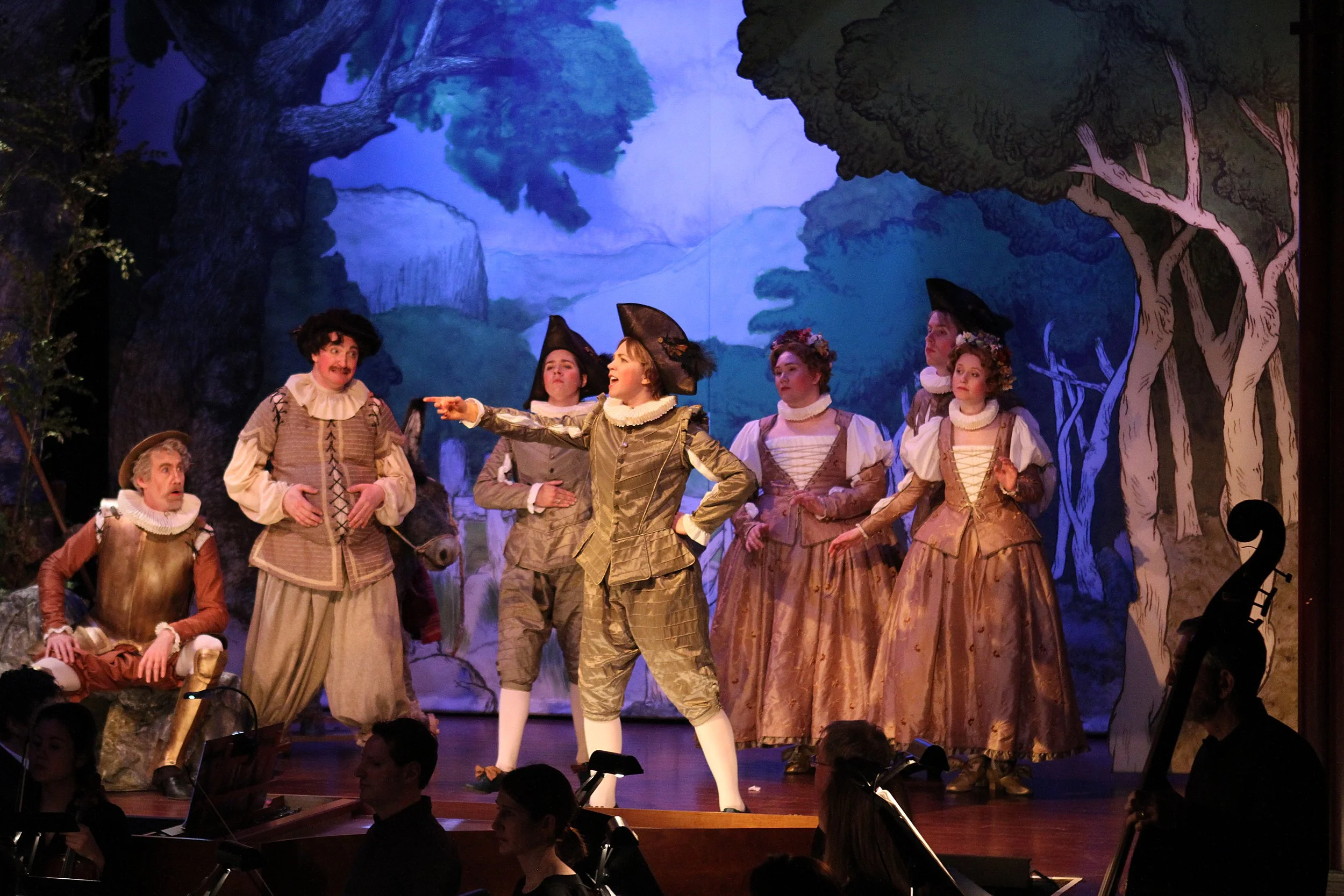
Don Quichotte, Haymarket Opera Company, 2015.
Haymarket’s success owes in great part to the fact that Trompeter is that kind of musician-leader.
From HOC’s first toddling steps to the confident strides of its artistic maturity, the company has performed rescue missions on behalf of worthy preclassical operas and oratorios that had long languished on dusty library shelves, most of them unknown and seldom if ever performed.
A committed board of directors and donor base have given Haymarket a fiscally solid basis on which to expand the scope of its repertoire and audience. Local and national media have been solidly supportive, while sold-out houses are now more the rule than the exception. General Director Chase Hopkins and his administrative team deserve a bow all by themselves.
With a Haymarket performance, the devil is in the style-minded details. Gut strings, tangy woodwinds, and a continuo group alive with lutes and harpsichord help to create a crisp, lean instrumental sound that allows centuries-old music to live and breathe in the present.
Trompeter has the cream of Chicago’s period instrumentalists at his disposal, and their sterling musicianship makes them an orchestra that would do credit to any international theater specializing in early opera.
His scholarly but not pedantic attention to niceties of timbre, articulation, rhythm, tempo, and phrasing provides an appropriate cushion of sound to support singing by specialists in vocal style of the Age of Reason and Enlightenment.
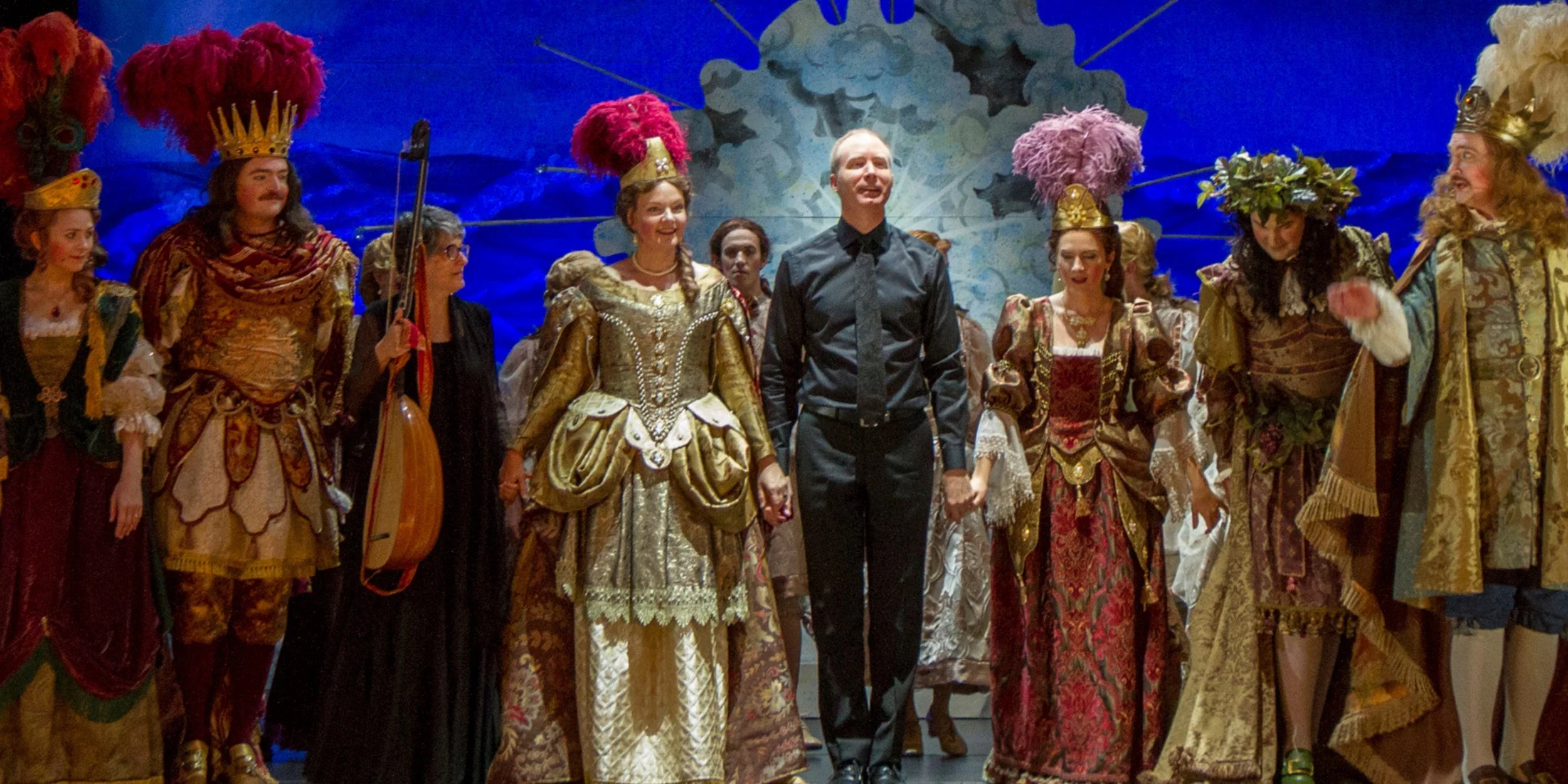
Ariane et Bacchus, featuring Craig Trompeter (center), Haymarket Opera Company, 2017.
Complementing all this is Haymarket’s trademark adherence to authentic stagecraft and richly textured scenic and costume designs that reinvent the aesthetics of the period in a fresh and lively manner modern audiences can readily relate to.
Trompeter has remained true to his twofold mission of bringing neglected and obscure repertoire to Chicago audiences and taking a fresh look at some more familiar works—all the while growing a fiscally prudent administrative team and board of directors that has kept the good ship Haymarket moving steadily forward.
If I were to name the performances and works that have given me particular pleasure over the last 15 years at HOC, I would start with the utterly charming Marin Marais Ariane et Bachus that opened the company’s seventh season in 2018, followed the same season by the Chicago professional stage premiere of Francesco Cavalli’s wonderful La Calisto.
This Handelian retains fond memories of the Handel productions—Acis and Galatea, Apolo e Dafne, and Orlando—that the company streamed in 2021 during its 10th anniversary season after the pandemic forced a general lockdown.
At a time when many other performing arts groups simply threw up their hands and backed off, Haymarket turned the lockdown into an opportunity to be extra creative.
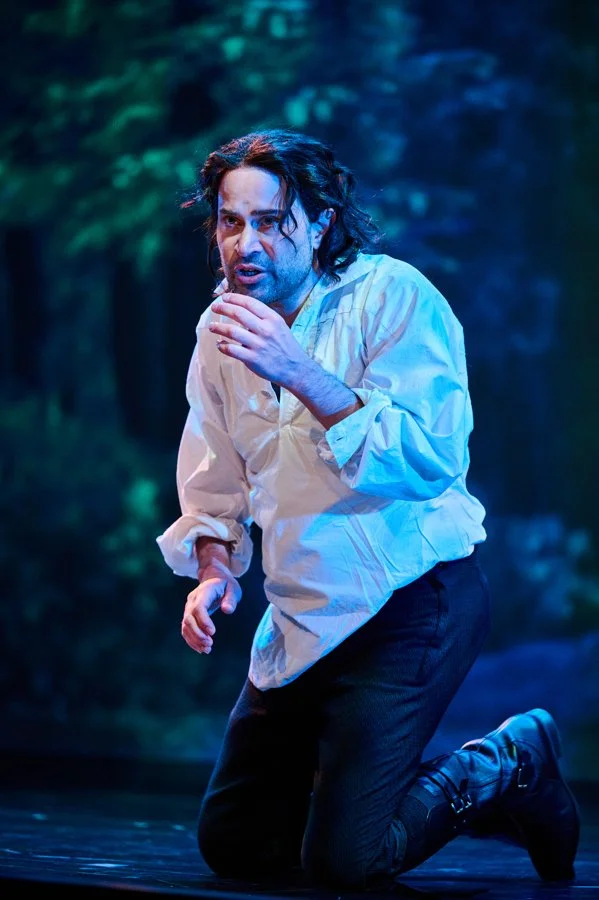
Orlando (film), featuring Bejun Mehta, Haymarket Opera Company, 2021. Photo: Anna Cillan.
All three productions came off remarkably well, but HOC’s fully staged and lavishly costumed Orlando, starring countertenor Bejun Mehta as the eponymous hero, with harpsichordist Jory Vinikour anchoring the continuo group, was a triumph over formidable odds.
Indeed, the success of that filmed Orlando helped to spur Haymarket through a string of successes—Telemann’s Pimpinone in 2019; Joseph Bologne’s L’Amant anonyme and Monteverdi’s L’incoronazione di Poppea in 2022; Johann Hasse’s Marc’Antonio e Cleopatra and Francesca Caccini’s La liberazione di Ruggiero dall’isola d’Alcina in 2023; the Chicago premiere of Handel’s Tamerlano in 2024; and the first U.S. performances of Leonardo Vinci’s Artaserse in 2025.
Both the Bologne and Vinci operas were recorded by Cedille—an additional feather in Haymarket’s cap that will enhance the company’s reputation even further. That the metropolitan area enjoys a loyal and involved constituency for early music owes immeasurably to the pioneering efforts of The Newberry Consort, still going strong in its 39th season. The consort’s first official concert collaboration with HOC, in October 2025 performances of Jacopo Peri’s Euridice, capped off Haymarket’s 15th anniversary with éclat.
You could almost hear multiple champagne corks popping all at once, all around the city.
So, Happy Anniversary, Haymarket Opera Company! May the coming seasons favor Chicago audiences with many more musical revelations, as perhaps only Chicago’s champions of early opera can provide.
About the author
John von Rhein retired in July 2018 after more than 40 years as the classical music critic of the Chicago Tribune. He holds a Doctor of Humane Letters honorary degree from DePaul University and is active as a freelance classical music reviewer and writer.
About The Haymarket Review: This new digital publication including thoughts about the work produced by Haymarket is designed to deepen our connection to audiences, nurture and feed audience curiosity about historical performance, offer critical opinions and thoughtful reflections on our performances, and provide a forum for Haymarket and its audience to connect through sharing insights, opinions, learning, and expertise.