

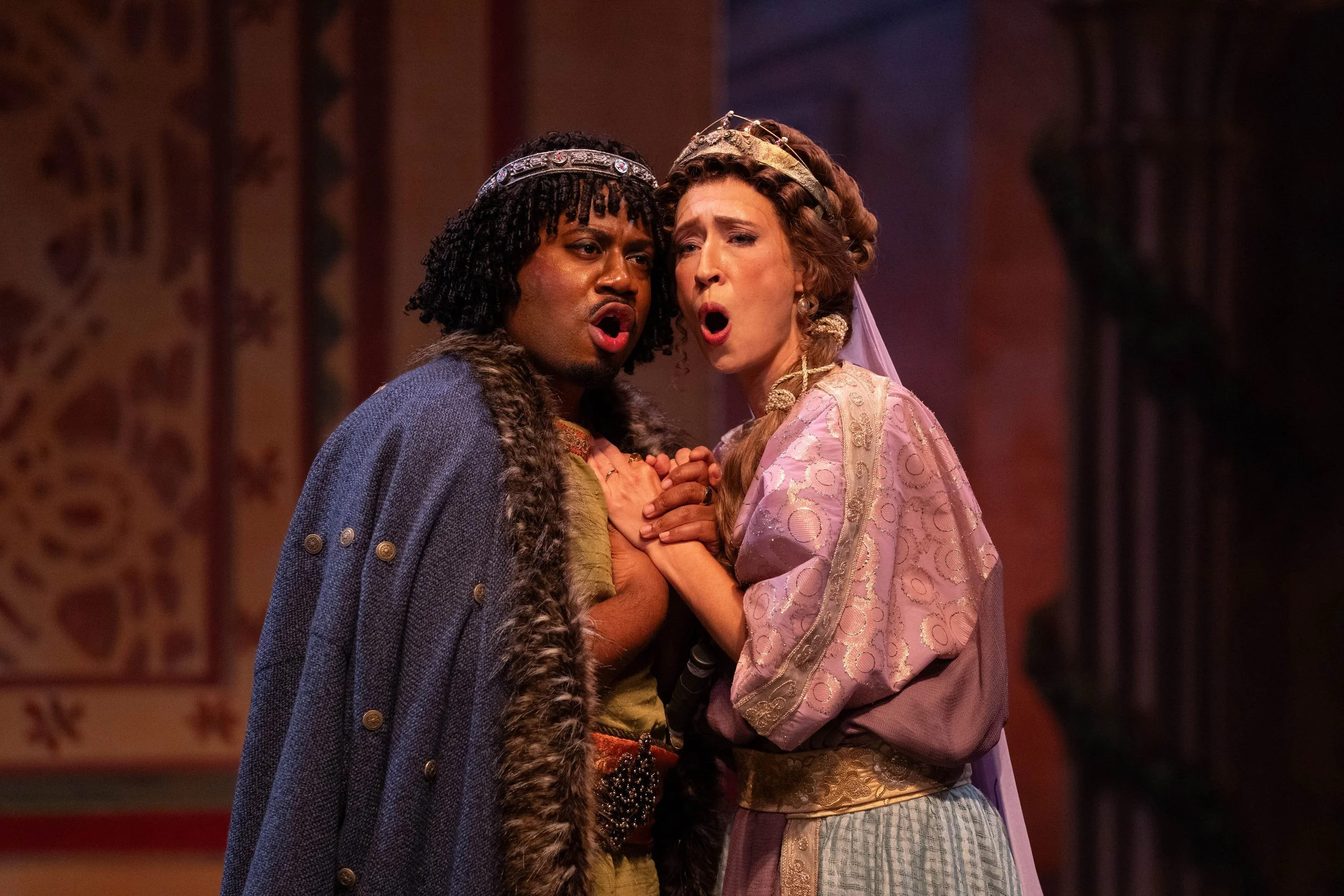
Artaserse, featuring Key’Mon Murrah and Emily Fons, Haymarket Opera Company, 2025. Photo: Elliot Mandel
Notes on Vinci’s Artaserse
My relationship with Leonardo Vinci began in 1999 when I had the idea of staging the first complete modern-day production of his only surviving comic opera, Li Zite ‘n galera (The Newlyweds on the Galley) (1722), whilst I was artistic director of the Teatro Petruzzelli, the opera house in my city, Bari. The production was premiered by the Orchestra de’ Turchini, founded and conducted by my dear friend Antonio Florio, who then took that successful production on tour across Europe, from the major Italian theatres to Paris, and produced the first recorded version of a Vinci opera. We immediately realised that Vinci was a composer of the very highest calibre, who deserved a more prominent place in the history of 18th-century opera. We proposed a festival in his native region, Calabria, featuring conferences and a project for a critical edition of his works, but this project came to an end too soon without having brought about a real Vinci renaissance. For those who are not yet familiar with this figure, it is worth recalling some biographical details.
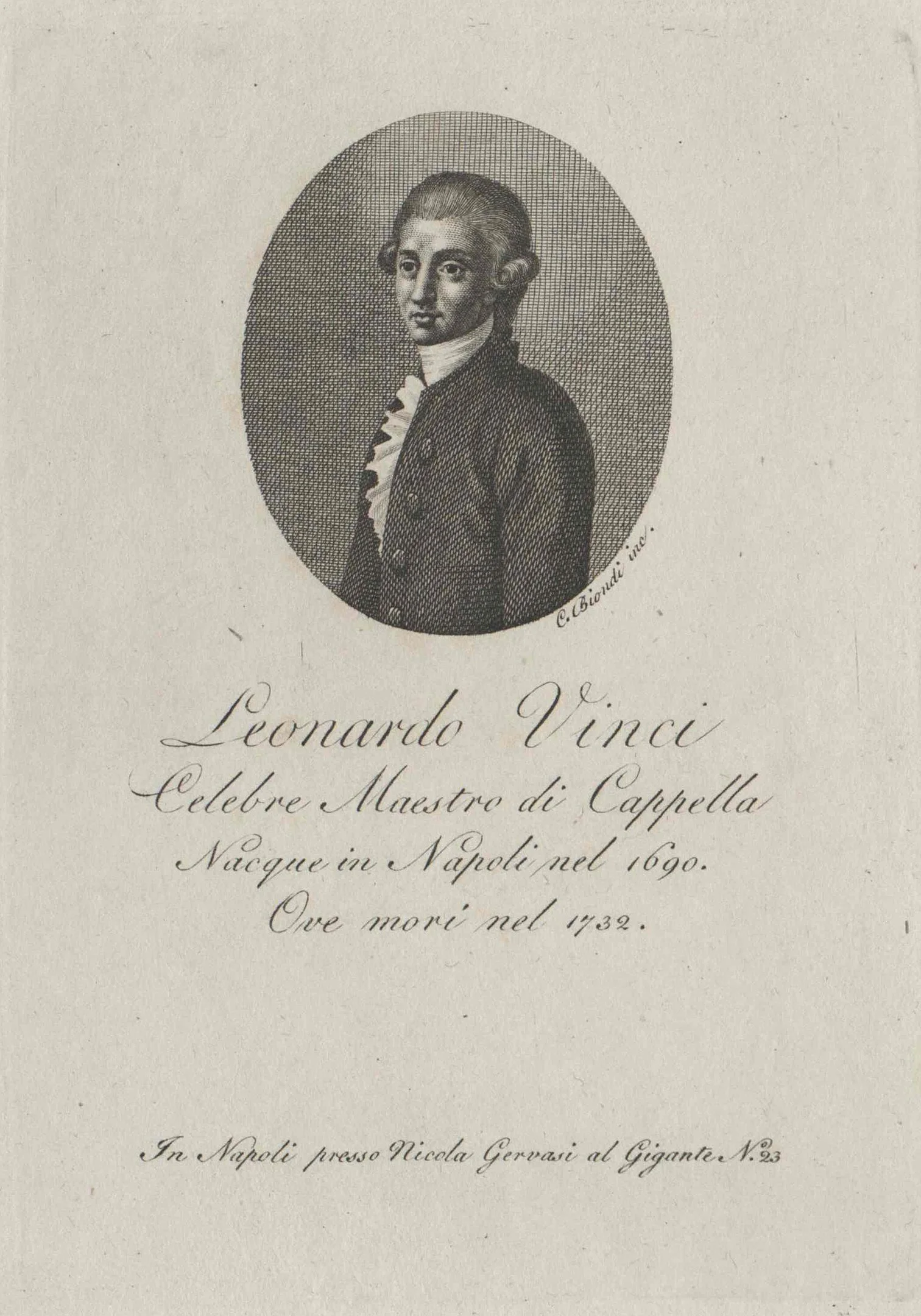
Carlo Biondi (1789-unknown), Engraving of Leonardo Vinci, c. 19th Century.
Leonardo Vinci died in Naples, under mysterious circumstances, in the last days of May 1730, without even enough money to pay for his funeral, at the age of 40 (he must have been born around 1690, but his baptismal certificate has never been found in Strongoli, Calabria). Rumours immediately spread that he had been poisoned, perhaps out of jealousy by a Roman gentleman or because of gambling debts. In those years, Vinci was establishing himself as the most successful Italian opera composer and the favourite of Metastasio, who was at the same time establishing himself as the greatest poet for music of the time. Vinci had been the first Neapolitan to triumph in Venice in 1725 (with Rosmira fedele or Partenope), and Handel had immediately recognised his talent, staging several pasticci and arrangements of his operas in London and later in Germany. And certainly, had Vinci survived, he might well have changed the course of European opera.
Yet the modern rediscovery of Vinci’s works did not come about through the efforts of musicologists—despite the insights of figures such as Edward Dent and, more recently, Reinhard Strohm—but rather thanks to modern performances in theaters and festivals across Europe and the resulting recordings. These began with the rediscovery of Li zite ‘n galera (which I recounted earlier) and continued with the video recording of Partenope (2012) by the Naples-based ensemble Turchini (now Cappella Neapolitana) under the direction of Antonio Florio, who also recorded Siroe, re di Persia at the Teatro San Carlo in Naples in 2019. Since then, only a few other titles have been released on CD or DVD, helping to broaden public familiarity with the composer: Catone in Utica, Didone abbandonata, Gismondo, and a premiere recording of Artaserse conducted by Diego Fasolis in 2012. Kurt Markstrom’s study, The Operas of Leonardo Vinci, was published by Pendragon only in 2007; it has since served as the benchmark for musicological research, which now identifies Vinci as one of the originators of the Stile Galante—tracing its emergence to Naples in the 1720s and 1730s, rather than to mid-century Vienna.
His career had taken off at a remarkable pace in just 11 years, with the creation of 26 acclaimed operas in the leading Italian theatres, following his debut in Naples in 1719, with ten comic operas, of which only the score of Le Zite ‘n galera—a masterpiece in the vernacular from 1722—survives. From 1723 he composed no fewer than 16 serious operas (including Farnace in two different versions), almost all of which have survived in multiple scores. After his death, a romantic myth spread of the composer who died prematurely, whose melodies still enchanted admirers throughout Europe, such as the philosopher Rousseau, whilst the most important music theorists analysed the structure of his arias with Enlightenment rationality, in particular that of the most famous: “Vo’ solcando” from his final opera, Artaserse.
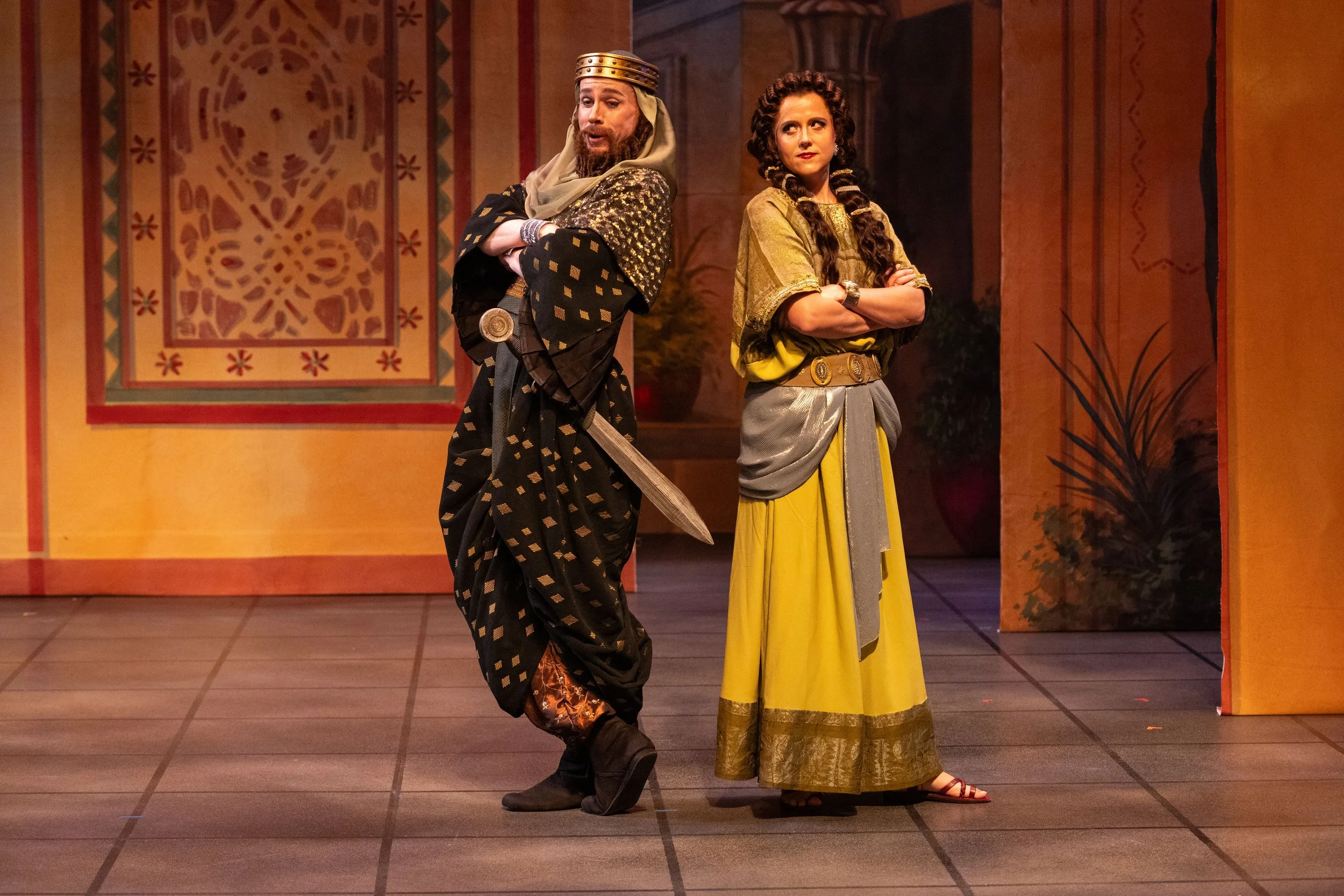
Artaserse, featuring Ryan Belongie and Elijah McCormack, Haymarket Opera Company, 2025. Photo: Elliot Mandel
With this premise, I wished to make it clear that Vinci’s works form a fundamental piece in the jigsaw of 18th-century European opera, and it is absolutely essential to continue studying, performing, and recording them (there are still no recordings of at least eight serious operas for which the scores survive). Haymarket Opera Company’s initiative, with the consultancy of one of the foremost musicologists specialising in Baroque opera, Louise Stein, to release a new recording of Artaserse, is therefore a highly commendable endeavour, precisely because of the role this opera played, at the conclusion of Vinci’s career, as the culmination of his compositional abilities and as a means of passing on his legacy to posterity. Let us summarise what we know about the opera.
Artaserse was performed at the Teatro delle Dame in Rome during the 1730 Carnival, a few months before the composer’s death, immediately following Vinci’s other opera, Alessandro nell’Indie, using the same cast. The two operas were staged, in accordance with the commercial logic of the time, in competition with other two titles staged at the Teatro Capranica by Nicola Porpora, Vinci’s formidable rival, who would later be called upon to compete with Handel in London. As is well known, women were not allowed to sing in public theatres in Rome, so no fewer than six roles were performed by famous castrati of the time, alongside the tenor Francesco Tolve, who played the ambiguous role of Artabano, father of Arbace (the latter played by Giovanni Carestini). The others were: Giacinto Fontana “Farfallino” (Mandane), Giuseppe Appiani (Semira), Raffaele Signorini (Artaserse), and Giovanni Ossi (Megabise).
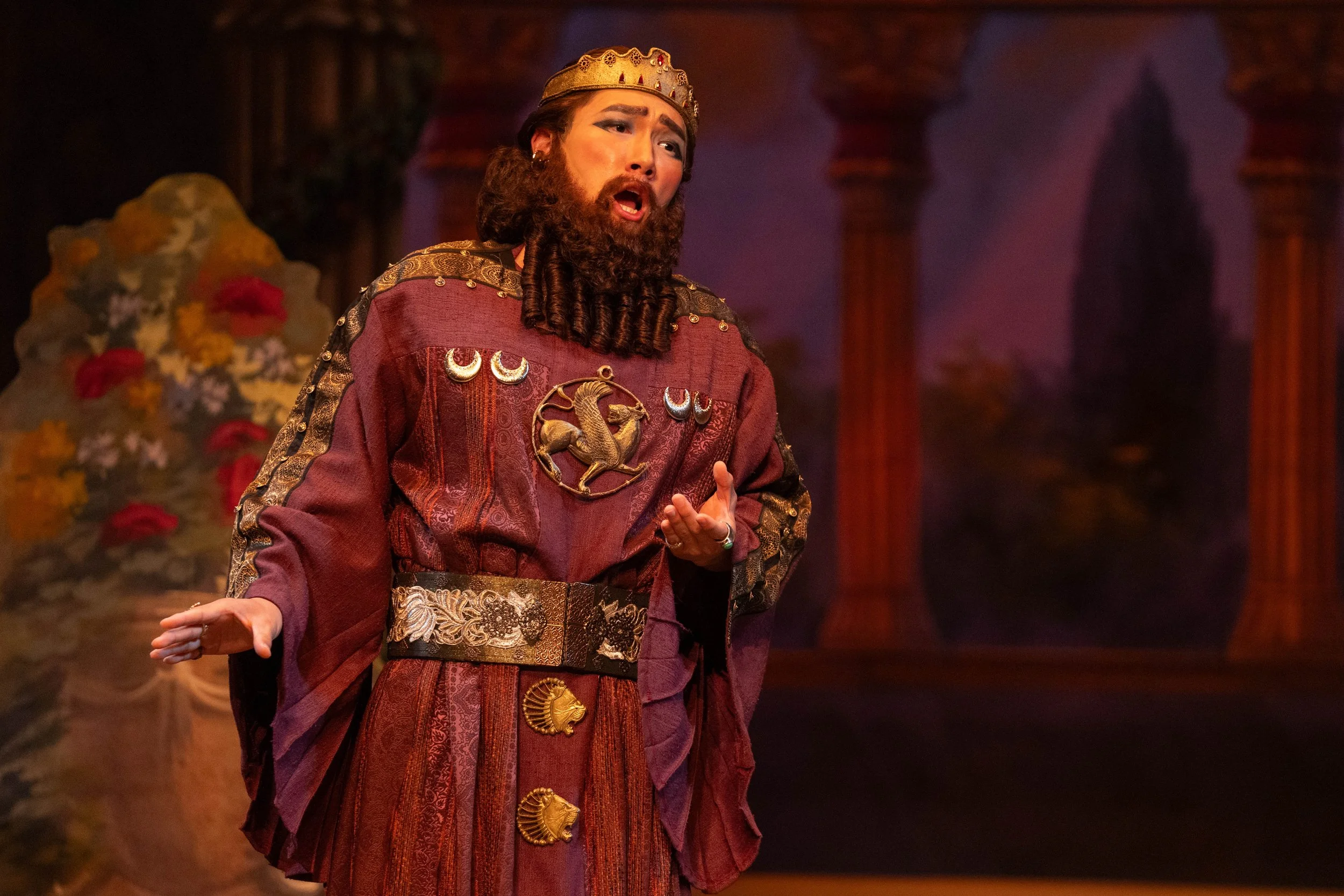
Artaserse, featuring Kangmin Justin Kim, Haymarket Opera Company, 2025. Photo: Elliot Mandel
This was the pretext for Diego Fasolis’s 2012 recording, which employed as many as five countertenors in an attempt to recreate a “masculine” sound closer to the original, whereas in reality it is a blatant historical inaccuracy. The Haymarket Opera Company’s compromise of using three countertenors and three female voices (a decision likely influenced by the visual requirements of the live performance staged in Chicago in 2025) proves far more pleasing and ensures a performance with a distinct tonal character. Although they are a 20th-century invention—as such voices did not exist on the Italian opera stage during the Baroque era—falsetto or countertenor singers have today attained a very high level of technical proficiency and vocal virtuosity, which justifies their use alongside natural female voices. In this recording, the male alto role of Megabise, performed by Ryan Belongie, though the least prominent character in the plot, surprises with the acrobatic virtuosity displayed in the third and final aria, “Ardito ti renda.” Indeed, this is one of the secrets of Vinci’s composition, which embellishes simple, accessible melodies with complex ornamentation that captures the listener’s ear, set against a skilfully crafted orchestral backdrop. That is why the same level of vocal ability is required of all the characters in the cast.
Although he is the title role, Artaserse does not sing the opera’s most famous arias. Nevertheless, the Korean-American countertenor Kangmin Justin Kim has the opportunity, in his five arias, to bring out all the contrasting moods of his character: the placid gallantry of love (“Per pietà bell’idol mio”, I, 5), the painful laments that foreshadow the future atmospheres of Pergolesi (“Deh respirar lasciatemi”, I, 11; “Non conosco in tal momento”, II, 14) but also the regal grandeur of the Persian sovereign, accompanied by trumpets and timpani (“Rendimi il caro amico”, II, 1; “Nuvoletta opposta al sole”, III, 2). Artaxerxes’ sister, Mandane, had been portrayed in 1730 by the castrato “Farfallino,” the most famous performer of female roles en travesti. In this recording, mezzo-soprano Emily Fons sings the opera’s first aria, and in the four subsequent arias leading up to the end, her character expresses growing tension and anger towards her beloved Arbace until he is proven innocent, as is evident in the truly furious aria “Dimmi che un empio sei” (I, 14). The character of Semira, Arbace’s sister and Artaserse’s lover, is her mirror image; she is given arias all of simple structure, most typical of the comic opera rather than opera seria, which the soprano Elijah McCormack embellishes with taste and technical mastery: for example, ‘Non è ver che sia contento’ (III, 6) unfolds over a delicate melody typical of Vivaldi, whilst ‘Per quell’affetto’ (II, 13) resembles a rustic little song but with a surprising virtuosic cadenza at the end.
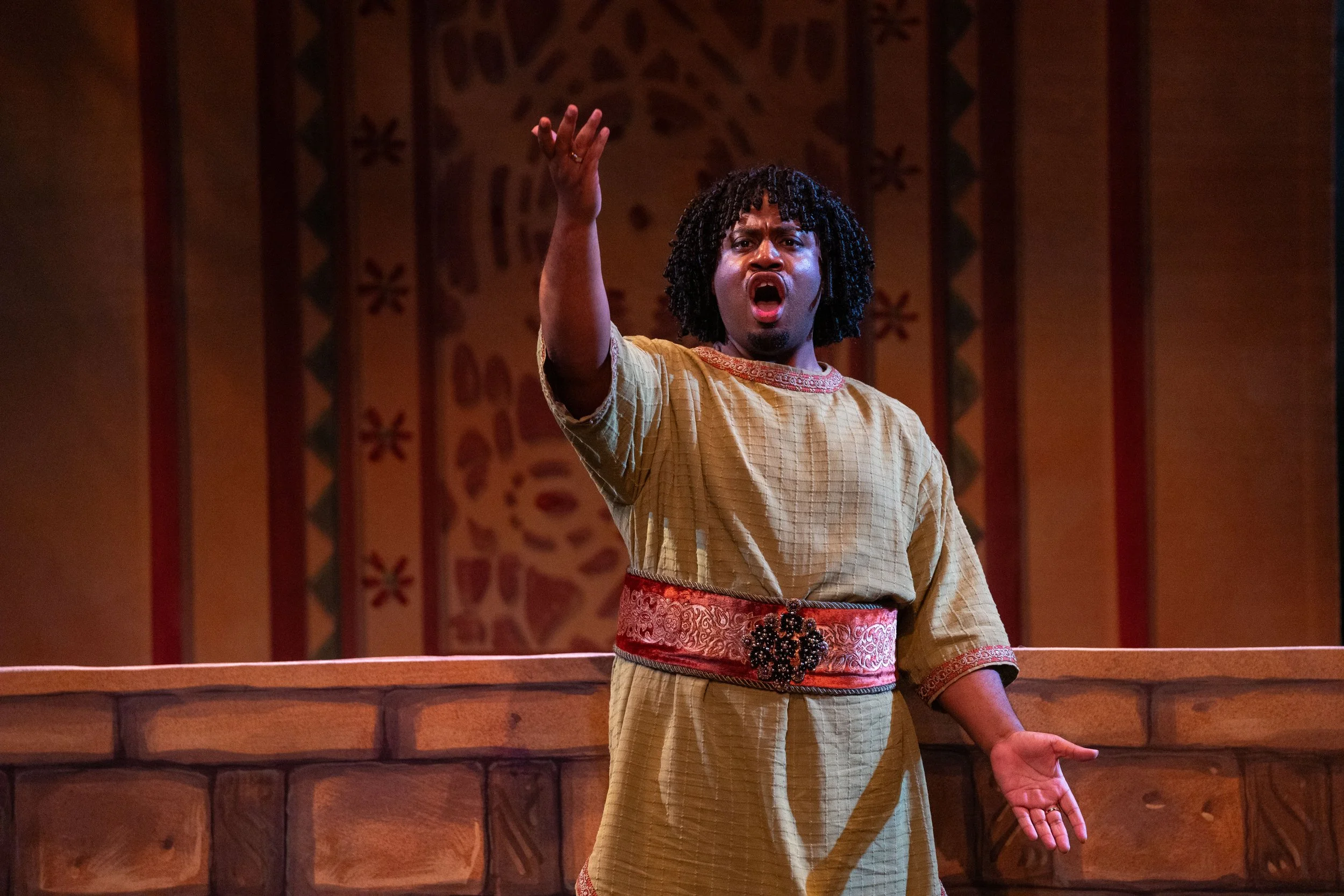
Artaserse, featuring Key’Mon Murrah, Haymarket Opera Company, 2025. Photo: Elliot Mandel
We have saved the character of Arbace for last, the true protagonist of the opera for whom Vinci wrote his most famous aria, destined to be praised and analysed throughout the rest of the 18th century by figures such as Charles Burney and André Grétry: “Vò solcando un mar crudele” (end of Act I). His first performer, Giovanni Carestini, was one of the most famous castrati of his time, and following the success of Vinci’s Rome premiere, his great rival Carlo Broschi Farinelli, who was called upon to perform the version of Artaserse composed by Hasse for Venice a few weeks later, refused to sing that aria and the composer had to write an alternative one for him: a sign that Carestini’s Arbace had particularly thrilled the audience in that very piece. Precisely because of its reputation, which has endured for three centuries, but also due to the comparison with the countertenors who have recorded it in recent times, this was a formidable test for the singer playing Arbace in this recording, Key’Mon Murrah, who delivered a confident and smooth performance, with the invaluable support of the orchestra, skilfully guided in building the waves of sound that metaphorically envelop the ship of the hero—unjustly accused yet faithful to his roles as son, friend, and lover. Symmetrically, Vinci places an aria by Artabano, “Così stupisce e cade,” at the end of Act II, which seems to respond to the “mar crudele” of his son Arbace, with a similarly turbulent accompaniment from the orchestra’s instruments. And finally, at the beginning of Act III, Arbace once again takes up the metaphor of the waves of the sea (“L’onda del mar divisa”, III, 2).
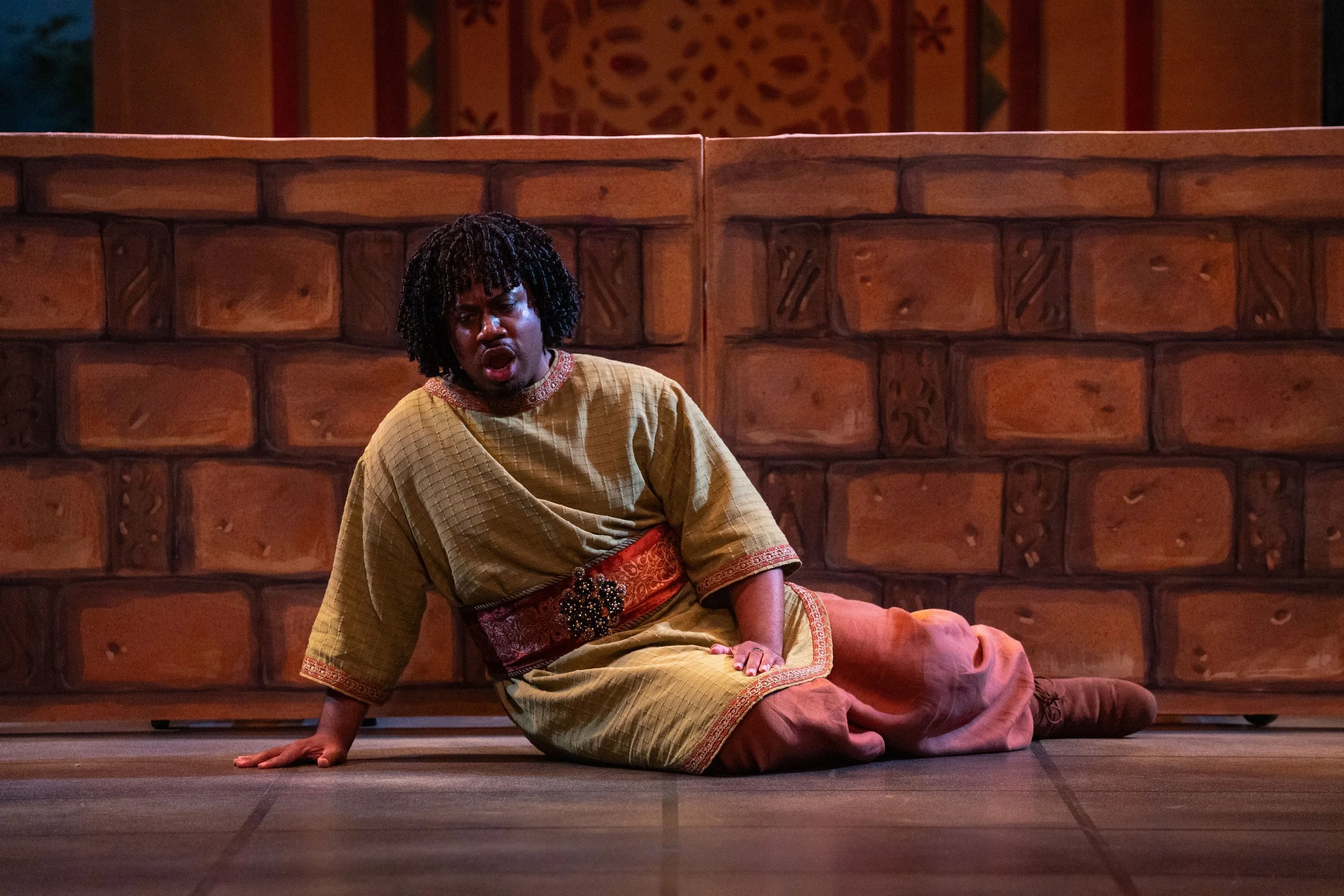
Artaserse, featuring Key’Mon Murrah, Haymarket Opera Company, 2025. Photo: Elliot Mandel
In fact, the opera portrays Arbace’s anguish right from the very first aria, “In cento affanni” (I,2), and then his difficult relationship with his beloved father, who seeks to drive him to betrayal out of ambition for power (“Per quel paterno amplesso”, II,11), right up to the splendid arioso with the orchestra’s heartbeat-like rhythm that opens Act III, in which Arbace now calls for his own end: “Perché tarda ormai la morte,” the most moving moment of the opera, which could well be part of one of Handel’s finest scores. The vocal artistry of the experienced Murrah is never showy nor does he force the dynamics, remaining on intimate tones that are perfectly in keeping with the delicacy of Vinci’s melodies. This is fully evident in the delightful duet between Arbace and Mandane that precedes the happy ending and the final chorus, with the two voices arranged like an elegant Neapolitan cantata from Scarlatti’s time, displaying extraordinary mastery of the expressive possibilities of both voices and instruments: the most harmonically complex moment in the opera.
The entire cast succeeded in conveying the expressive power of Metastasio’s text—one of the most beloved librettos of the 18th century, set to music by many great composers—whilst respecting the correct pronunciation of the Italian words and highlighting the text’s close adherence to the natural flow of Vivaldi’s melodies. Special praise is due to the Haymarket Opera Company Orchestra, conducted by its founder Craig Trompeter with great attention to timbre, alternating the power of the rhythm sections—with woodwinds and percussion—with the delicate atmospheres created by the strings, as heard from the start in the opera’s instrumental introduction. I particularly appreciated the attention to sound, which was never forced and free from the exaggerated rhythmic accelerations that for some years now have seemed an unstoppable and damaging trend in performances of Italian Baroque music from Vivaldi’s time.
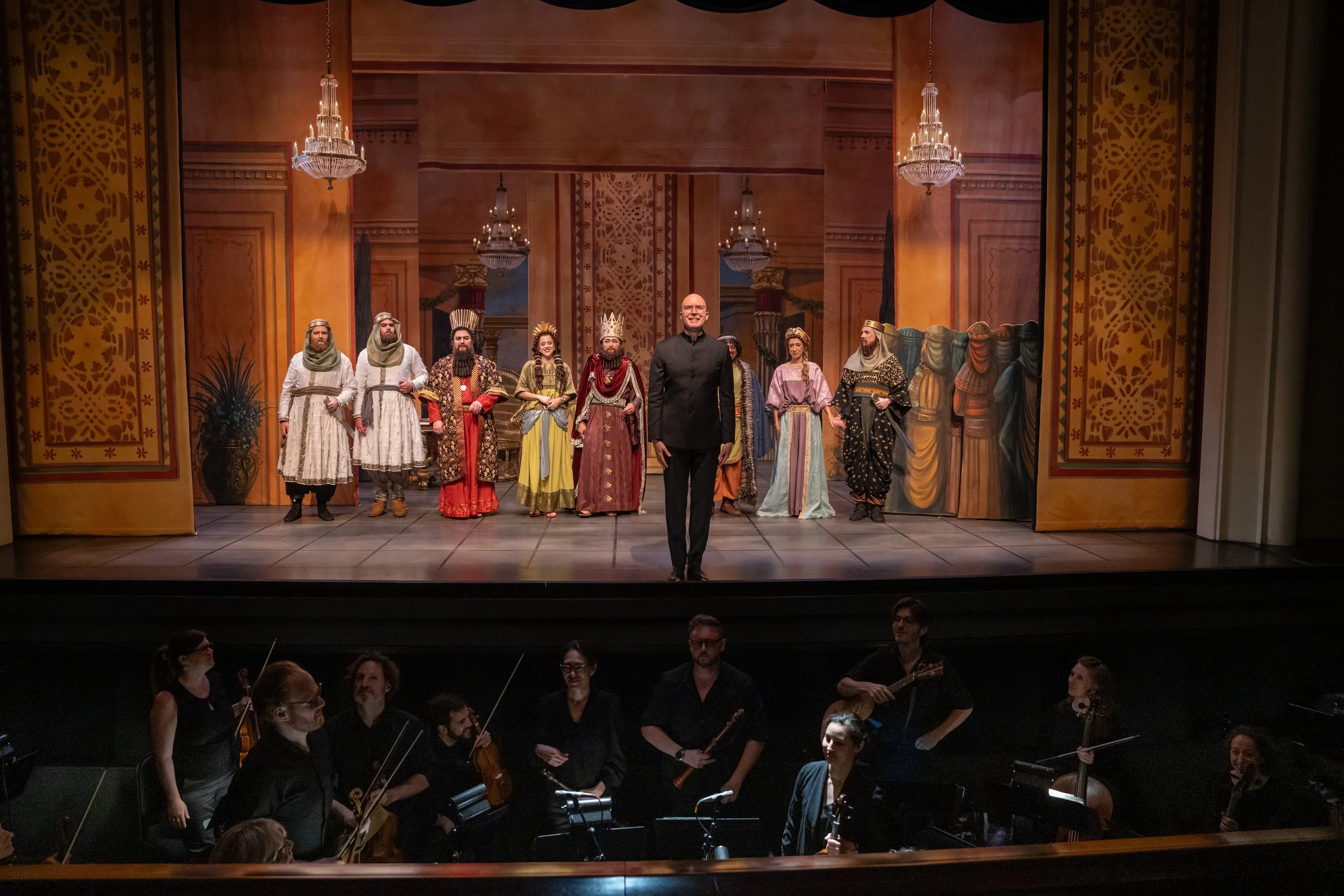
Artaserse, Haymarket Opera Company, 2025. Photo: Elliot Mandel
Georg Friedrich Handel had certainly identified the true protagonist of this story when he presented, at the King’s Theatre in Haymarket (!), London, in January 1734, Metastasio’s libretto in the form of a pasticcio with music by Vinci, Hasse and others, under the title Arbace (HWV A10). The Saxon’s admiration for Vinci stemmed not only from the growing success of the Italian’s operas, but also from the evident stylistic affinity between these two great contemporary composers, so much so that, following the initial rediscoveries made by my friend Antonio Florio, we decided together to call Vinci ‘The Italian Handel.’ I am convinced that this compelling and attractive release by the Haymarket Opera Company will further stimulate the curiosity of audiences and musicians alike towards Leonardo Vinci’s other operas, which have been waiting for over three centuries to be heard again as they deserve.
About the author
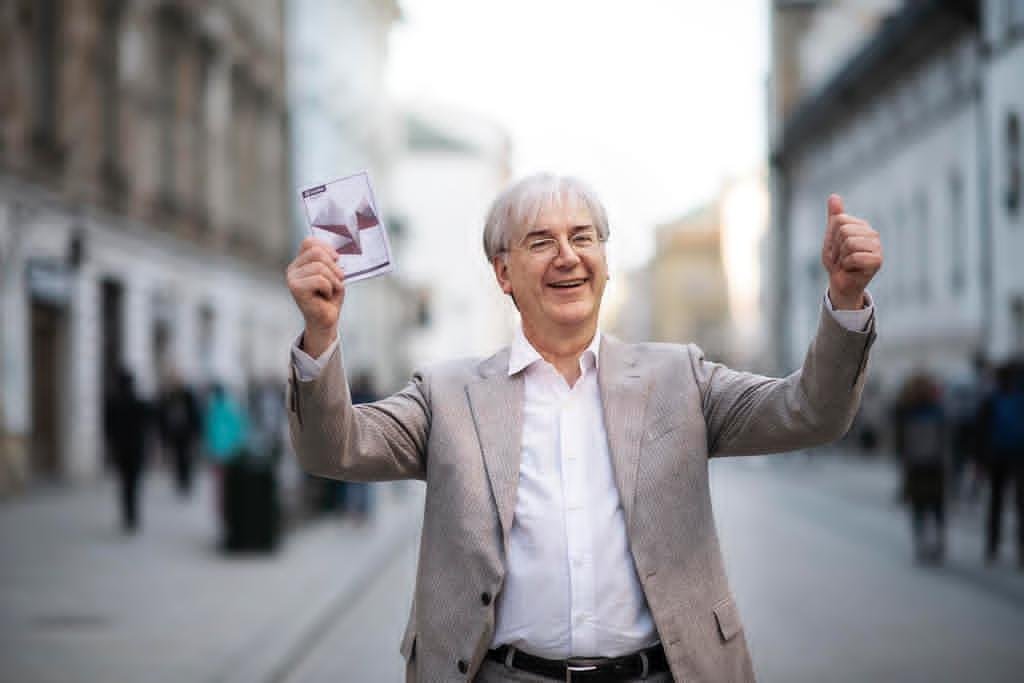
Dinko Fabris is one of the most internationally renowned Italian musicologists. After earning his PhD at the University of London, he has taught musicology at the University of Basilicata in Matera. In 2022 he was also appointed professor of early ,usic at the ACPA Doctoral Studies program of the University of Leiden. He was the first Italian to be elected president of the International Musicological Society (2012–2017) and currently serves as chair of the IMS Study Group “Mediterranean Music Studies.” His publications include Music in Seventeenth-Century Naples (repr. Routledge 2016), the book Partenope da Sirena a Regina---Il mito musicale di Napoli (repr. 2022), a book on Nino Rota (2025), and a critical edition of the opera Didone by Francesco Cavalli (Bärenreiter Verlag, in preparation). He is the editor of Musica e Storia, the Journal of the Fondazione Levi in Venice. Until 2024 he chaired the Department of Research and Communication at San Carlo Opera House in Naples. Currently he is the consultant musicologist at the opera house of his native town, Bari, and the artistic director of the Baroque Festival Duni in Matera.
About The Haymarket Review: This digital publication including thoughts about the work produced by Haymarket is designed to deepen our connection to audiences, nurture and feed audience curiosity about historical performance, offer critical opinions and thoughtful reflections on our performances, and provide a forum for Haymarket and its audience to connect through sharing insights, opinions, learning, and expertise.