

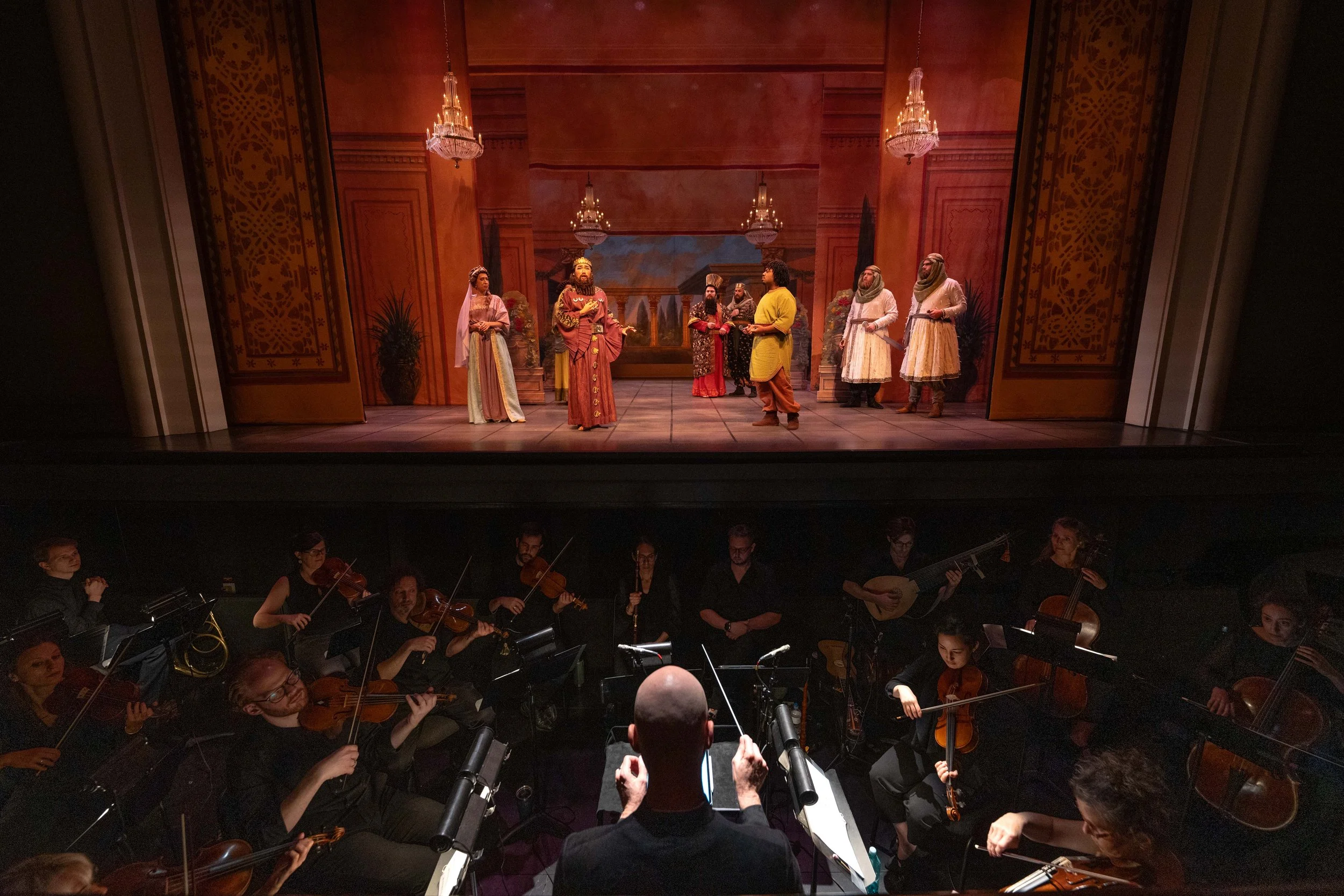
Artaserse, Haymarket Opera Company, 2025. Photo: Elliot Mandel
Artaserse: Reflections on Turning an Opera Production into a Recording
In mid-2025, approximately 500 people had the great good fortune to attend Haymarket Opera Company’s U.S.-premiere production of Italian Baroque master Leonardo Vinci’s 1730 tour de force, Artaserse (nearly 300 years after it was first performed in Rome!). It was a set of performances as spectacular as they were historically significant. I was thrilled and honored when Haymarket General Director Chase Hopkins invited Cedille Records to make a recording to immortalize that production, so that countless more can now experience (in audiophile sound) what we lucky few in Chicago heard in the moment.
As album producer and President of Cedille Records, I’m immensely proud of what this landmark collaboration with Haymarket Opera Company accomplished and was delighted when Chase asked me to pen this reflection on our work together and the team effort that made this recording such a resounding success.
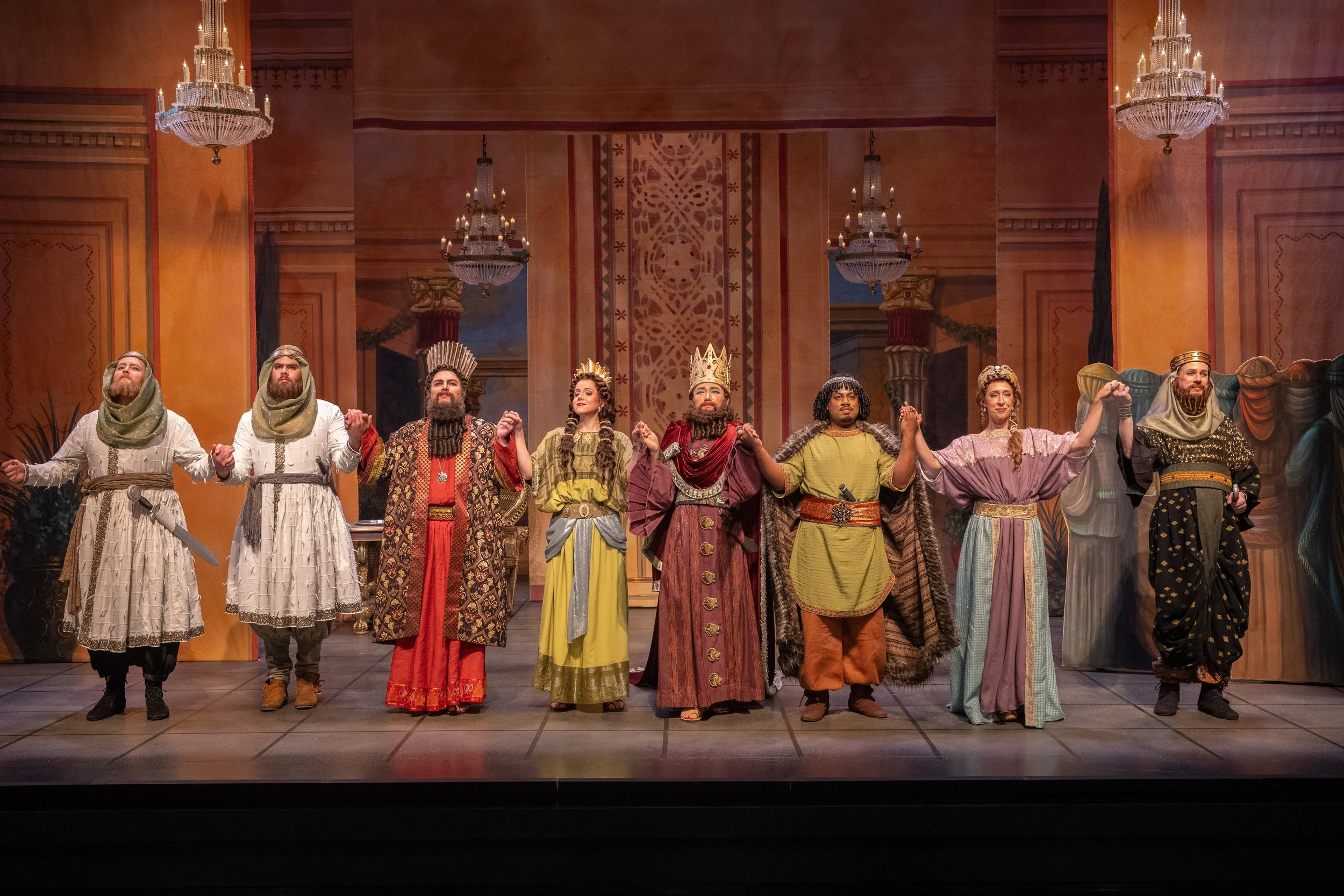
Artaserse, Haymarket Opera Company, 2025. Photo: Elliot Mandel
To create a true audio document for the ages, we didn’t simply record one of the live performances. With a process that began back in 2023, far more went into creating this momentous release. Chase was wonderful about sharing all of his decision-making about the production (casting, orchestral forces, etc.) from the get-go, so it was a true collaboration from the start. This included the crucial matter of fundraising for both stage production and recording as—with its significant length (4 hours in performance, 3 ½ on the recording), all-star cast, and expanded orchestra—this was a particularly ambitious undertaking for both companies. We are so grateful to the Haymarket and Cedille donors who saw the value in funding both sides of the project—including lead sponsors Nancy Dehmlow and Gregory O’Leary & Patricia Kenney (the full list of production and album sponsors can be found here and here, respectively).
As producer, my preparation began with receiving the nearly 400-page score and libretto, so I could familiarize myself with the piece (using the then-only extant recording, the audio part of a European movie version of the opera). I then attended all five full-runs of the show: two dress rehearsals and three public performances. Well, almost-full runs: to keep the piece to a manageable four-hour length, the first dress ended at 10pm, even though the show wasn’t quite finished. Haymarket Artistic Director and Artaserse conductor Craig Trompeter then figured out exactly what would need to be cut in the stage-show to keep it from running over four hours—cuts that were restored in the recording sessions.
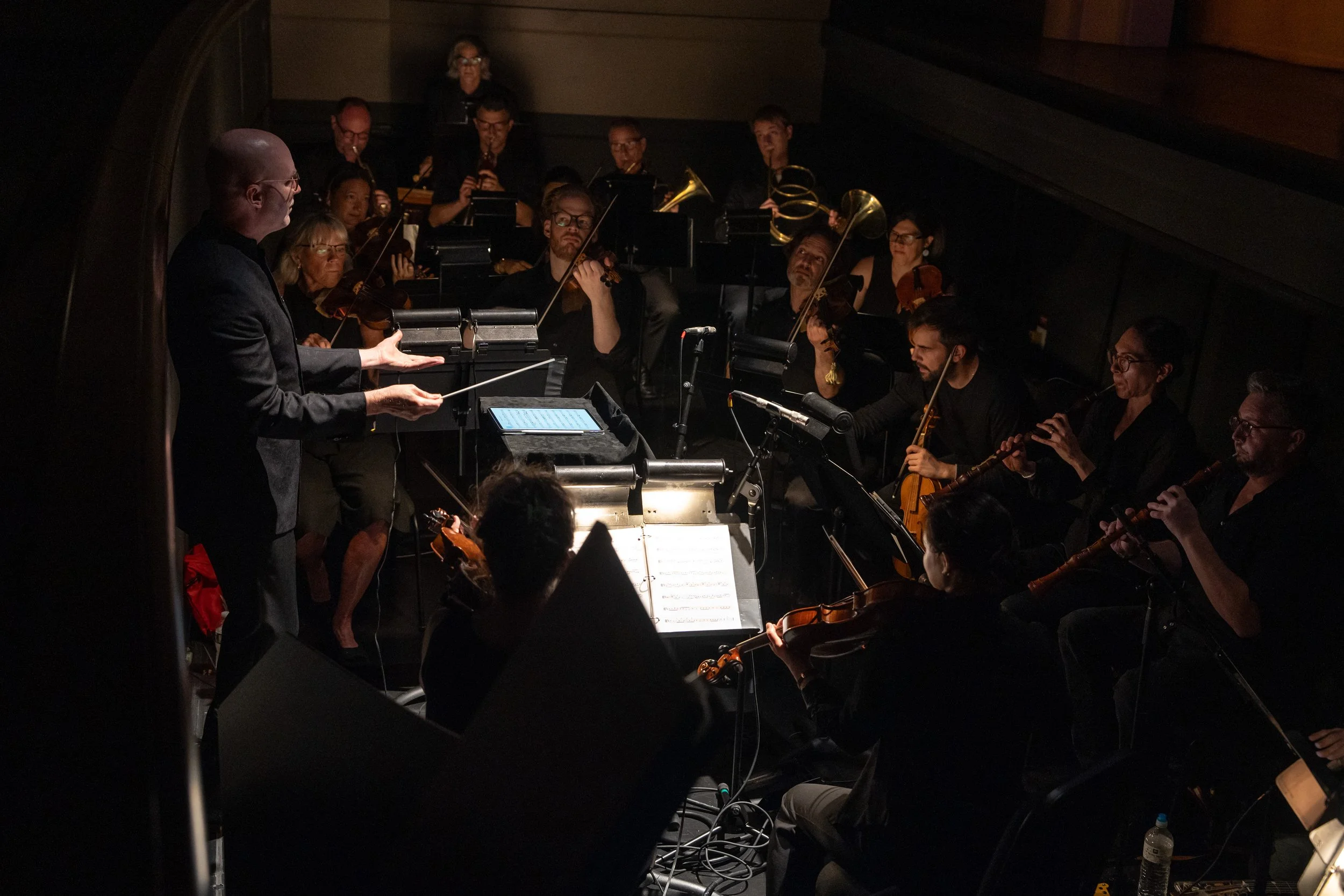
Artaserse, Haymarket Opera Company, 2025. Photo: Elliot Mandel
There were so many moving parts to this endeavor, and Craig worked tirelessly to hold the myriad strands together. Throughout the process, he created materials that helped keep the multifaceted project manageable and on track. One of these was a breakdown of scenes (15 in each of the first two acts, 11 in the third) listing the characters in each and the (almost always) aria in which each one culminated. I used these as the basis for my note-taking during the shows: I noted the full extent of stage movement in the (first) Friday performance; marked a more simplified positioning plan for the recording session (based on general stage positions) on Sunday; and penned comments about musical values on Tuesday.
I was fortunate to have the assistance of my wonderful soprano/composer/voice teacher wife, Patrice Michaels, who joined me for the Friday show. At my request, she also took notes, specifically on how to translate things she and I heard in performance that could be improved upon into language that would resonate with the singers during the very time-pressured recording sessions, where we would have limited opportunities for retakes. To tell a singer simply, “that note was out of tune” (for example) is not particularly helpful to them. To say (from Patrice’s notes), “you tend to go sharp when you straight-tone there,” “that vowel could be brighter,” or “you may be taking more breath than you need for that phrase” (resulting in falling behind the beat), actually gives singers the tools they need to solve these issues (rather than merely identifying the end problem).
My main preparation came from close listening (right after the shows) to the archival recordings engineer Dan Nichols made of the second and third performances. It was especially through these that I inferred what would need extra attention at the recording sessions.
Between the final performance and the next day’s double-session—we recorded the opera over four days, with an afternoon and evening session each day—Craig and I compared notes on what we had heard during the run. This allowed us to be on the same page regarding interpretive details in advance of the sessions. For example, if the tempo of an aria was different in the two shows, we could agree on which we liked better—or to go even faster (or slower) than had been done live. Most importantly, our conferring in advance meant that we (mostly he) could relay comments to the singers ahead of the start of recording (an obvious time-saver).
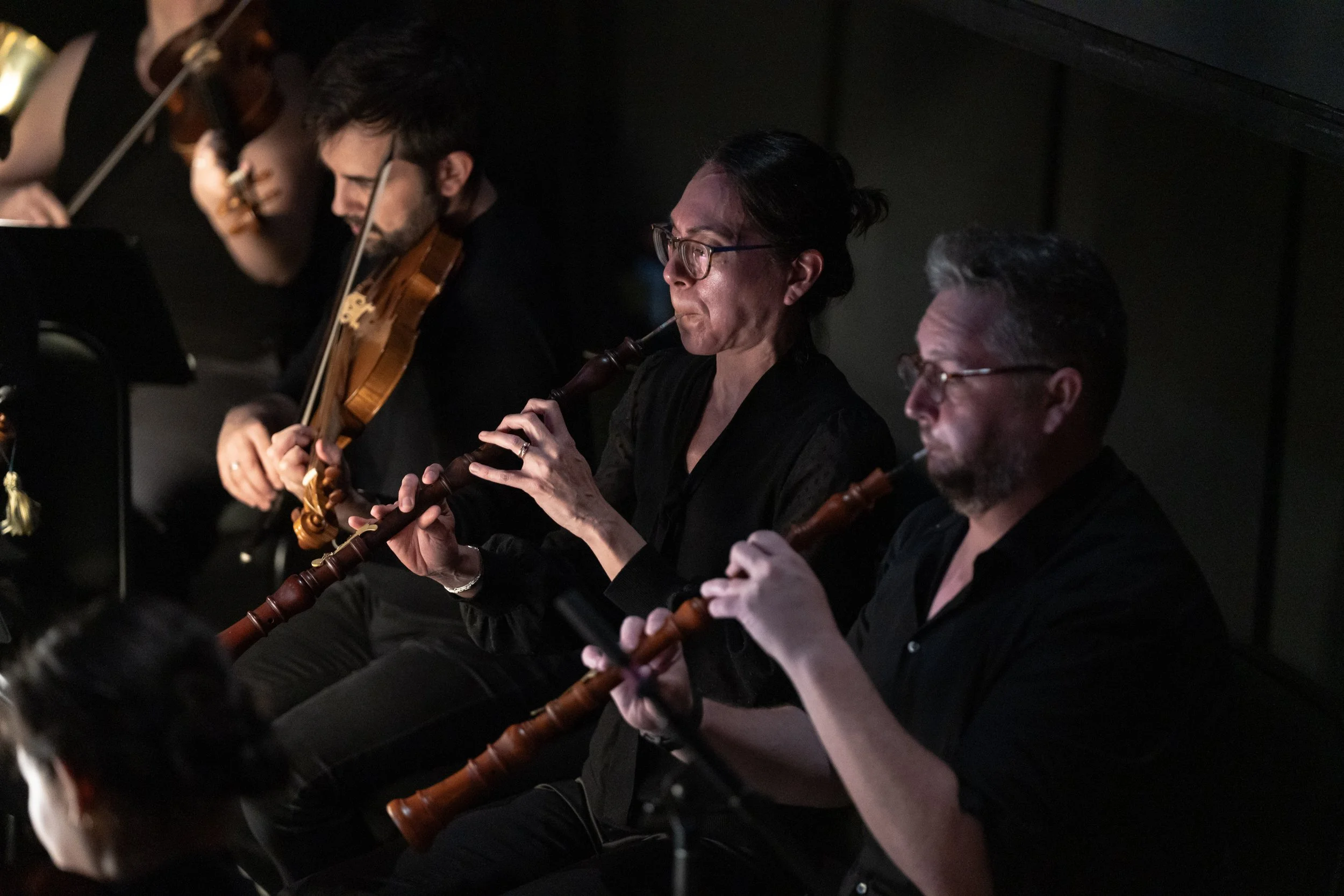
Artaserse, Haymarket Opera Company, 2025. Photo: Elliot Mandel
Craig had sequentially numbered every part of the opera: the overture (in three movements), every individual section of recitative, all 29 arias, etc.—76 in total. He then made a spreadsheet detailing the recording plan for each of the eight sessions, indicating pieces by number along with, in every case, the singer(s) involved, orchestration, piece length, and expected time for recording.
At the sessions, which took place in the same Jarvis Opera Hall (at DePaul University) as the production, Cedille engineer Bill Maylone employed the same setup we used for Cedille’s previous collaboration with Haymarket: the world-premiere recording of Joseph Bologne, Chevalier de Saint-Georges’ 1780 operatic romcom, L’Amant Anonyme. So, as before, we brought the orchestra out of the pit and up to the stage, providing for better overall sound, making it easier for Craig to communicate with players and singers at the same time, and facilitating our ability to achieve the right balance between singers and orchestra. For the singers, we arrayed five microphones horizontally across the stage, behind the orchestra: far (audience) left, mid-left, center, mid-right, far right. In the notes I took during the show, I numbered these positions 1 through 5 so that I could use these numbers to tell each singer where to stand in each scene, and how to move between positions in the moments that required blocking (e.g., the scene early in Act III where Artabano and Megabise are running around, looking for Artabano’s son, Arbace).
We saved the recitative (with just continuo accompaniment) passages for the last day (so we wouldn’t need the rest of the orchestra). For the arias and other parts with orchestra, we worked mostly in show order, with some adjustments for singer availability. Of course, nothing goes exactly to plan and we had to be nimble about moving pieces around when we fell behind as we gained a better sense of which ones could be done in less time than originally forecasted (we came to rely on tenor Eric Ferring’s arias when we needed to catch up) and which would need more.
The real curveball came at the final pair of sessions (for the recitatives), when we learned at the last minute that one singer had a flight out that prevented his participation in the second session. Happily, everyone was flexible about adjusting the originally planned schedule for the day as Craig and I changed the scene order on the fly. As time got really tight toward the end of the first session, I broke things down even more so we could do just the parts of the scenes that the singer was in, saving the rest for the later session. While a bit harrowing, this also exemplified the spirit of these recording sessions: everyone really pulled together to make sure we got it all done!
During these recitative sessions, we also had Alessandra Visconti, the production team’s Italian diction coach, on hand to make sure the pronunciations were as clear and idiomatic as possible.
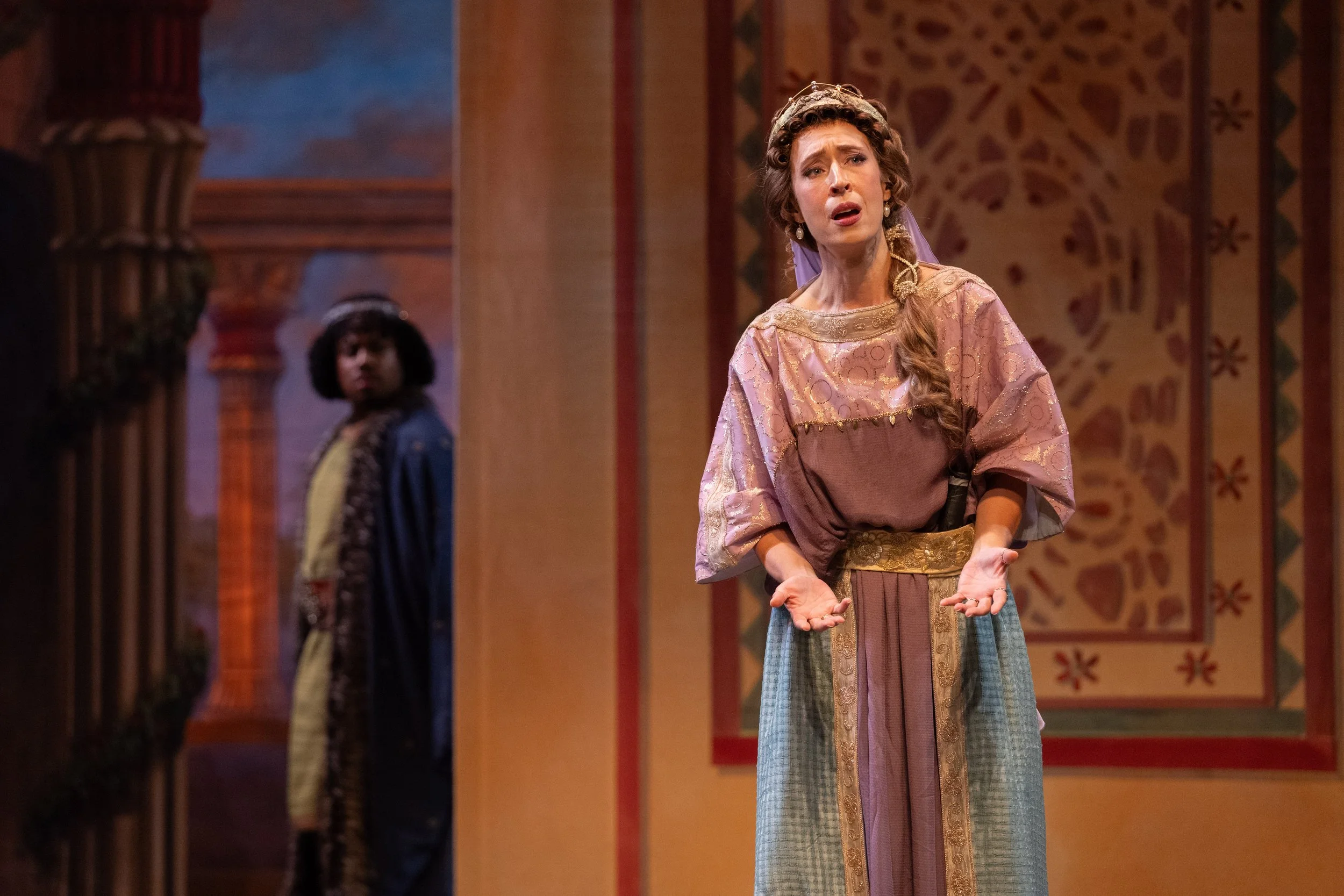
Artaserse, featuring Emily Fons and Key’Mon Murrah, Haymarket Opera Company, 2025. Photo: Elliot Mandel
With all parts of the opera recorded, I needed to come up with editing plans for each aria, section of recitative, etc. Some of the shorter arias were recorded with just a few sing-throughs. The longer, more complicated ones were broken up into sections, with the total number of takes in the teens. My job was to put the best bits together in such a way that all fit and flowed freely, as though no editing was involved. I marked up the scores and sent them to Bill to do the actual digital splicing. I then reviewed the edits, making improvements as needed (including sometimes shifting where I had originally placed an edit point). Next, Bill worked up a mix for each piece to get the balance between singer and instruments just right and create the best overall sound, consistent with the sound of the other parts of the opera.
Once Bill and I were both happy with an aria, recitative scene, etc., we sent the edit/mixes to the conductor and singers to get their feedback. One of the tenets of Cedille Records’ work is that it needs to be as collaborative with the performers (and composers in the case of living ones) as possible so it represents their best work and ideals. The comments I received back were extremely positive. The few times someone raised a concern, it was always insightful and I was, fortunately, always able to find a satisfying solution. Then, when all the individual pieces were completed, I assembled the opera together and ran it by everyone one more time for a final check.
We also worked closely with Haymarket and the individual performers when assembling the materials for the album: booklet with full track listing, program notes, bios, and photos from the production, plus (available online) the full libretto in Italian and English. We decided to release the opera in two different versions: physically as a three-disc set with each act on one CD and streaming version to match, and a second streaming version containing the overture and all the fully sung, fully orchestrated pieces (including 29 arias, a duet, and the final chorus). This is somewhat akin to how we presented L’Amant Anonyme on three CDs: the two acts in their entirety on discs one and two (respectively) and a third CD containing all of the sung numbers without the French dialogue in between.
With work on all aspects of the recording itself completed, we turned our attention to promoting the album both internally—Cedille Records’ website, social media postings, magazine advertisements, etc.—and with our PR team (Shuman Public Relations) that creates our album press releases and disseminates the recordings to print, online, and broadcast media.
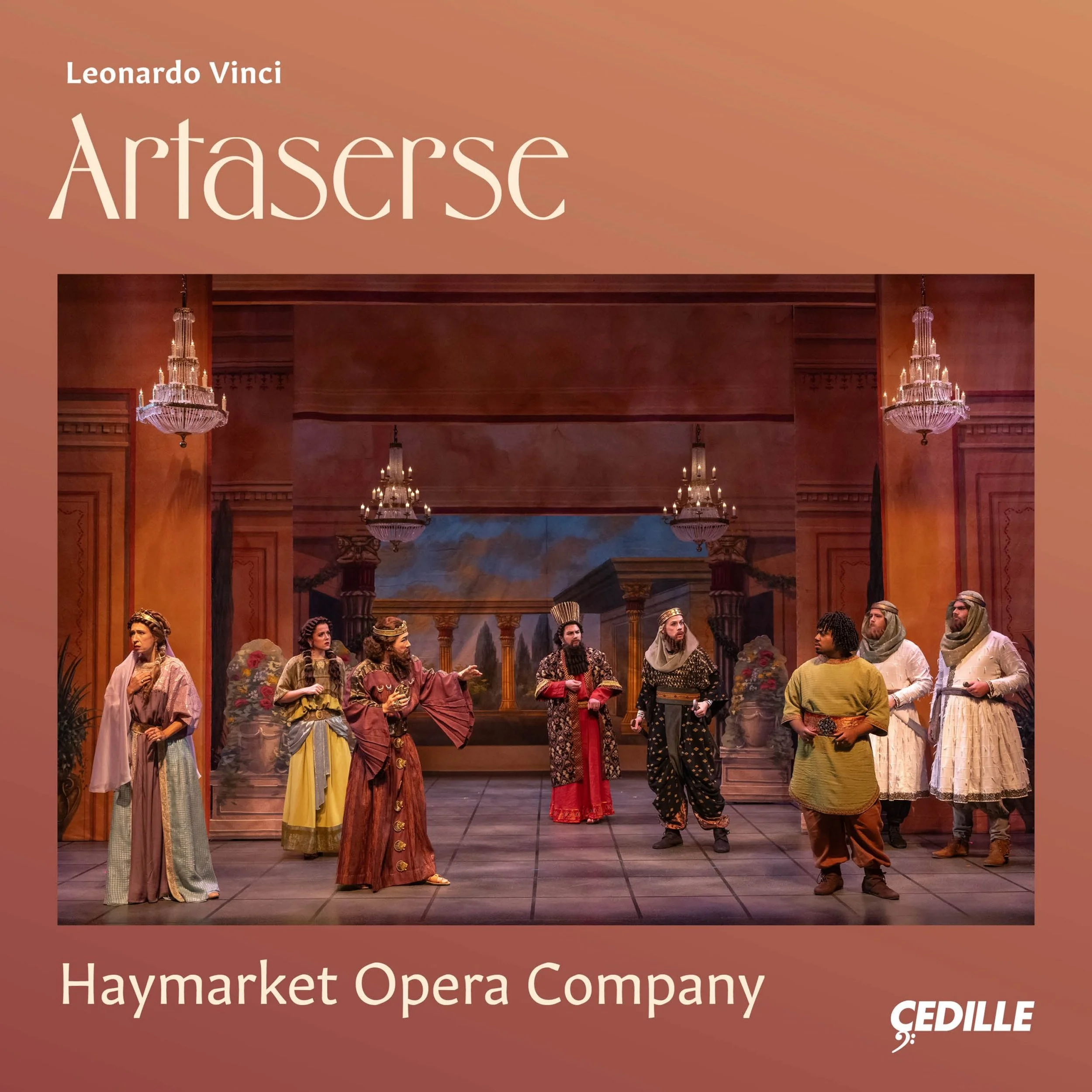
Artaserse, Album cover courtesy of Cedille Records, 2026. Photo: Elliot Mandel
Because this album is so special and significant, we also collaborated with Haymarket on an album release party on February 20, three weeks before the recording became available to the public (on CD and on streaming and download sites) on March 13. Around 150 supporters of Haymarket and Cedille attended the event, which took place at the University Club thanks to the additional generous support of Greg O’Leary. Patrons enjoyed hearing arias from the opera performed by cast members Ryan Belongie, Eric Ferring, Emily Fons, and Key’Mon Murrah, with Craig Trompeter accompanying on his harpsichord. This joyous evening proved the perfect way to celebrate a wonderful artistic collaboration and launch this glorious release.
Many major classical music publications have indicated their plans to cover this landmark album. A couple of early reviews out already echo my delight in the outstanding quality of this recording, so I’ll leave you with these quotes:
“Haymarket Opera Company honours Vinci's glorious creation with a stellar treatment that sets a dauntingly high bar for other companies to match. Having vocalists of such an exemplary calibre participating in the project is clearly a key reason why the recording impresses so grandly."
—Textura (Ontario)
“The Haymarket Opera Company will convince even the most hardened opera-hater that 18th-century opera deserves a second look.”
—CD Hotlist
About the author
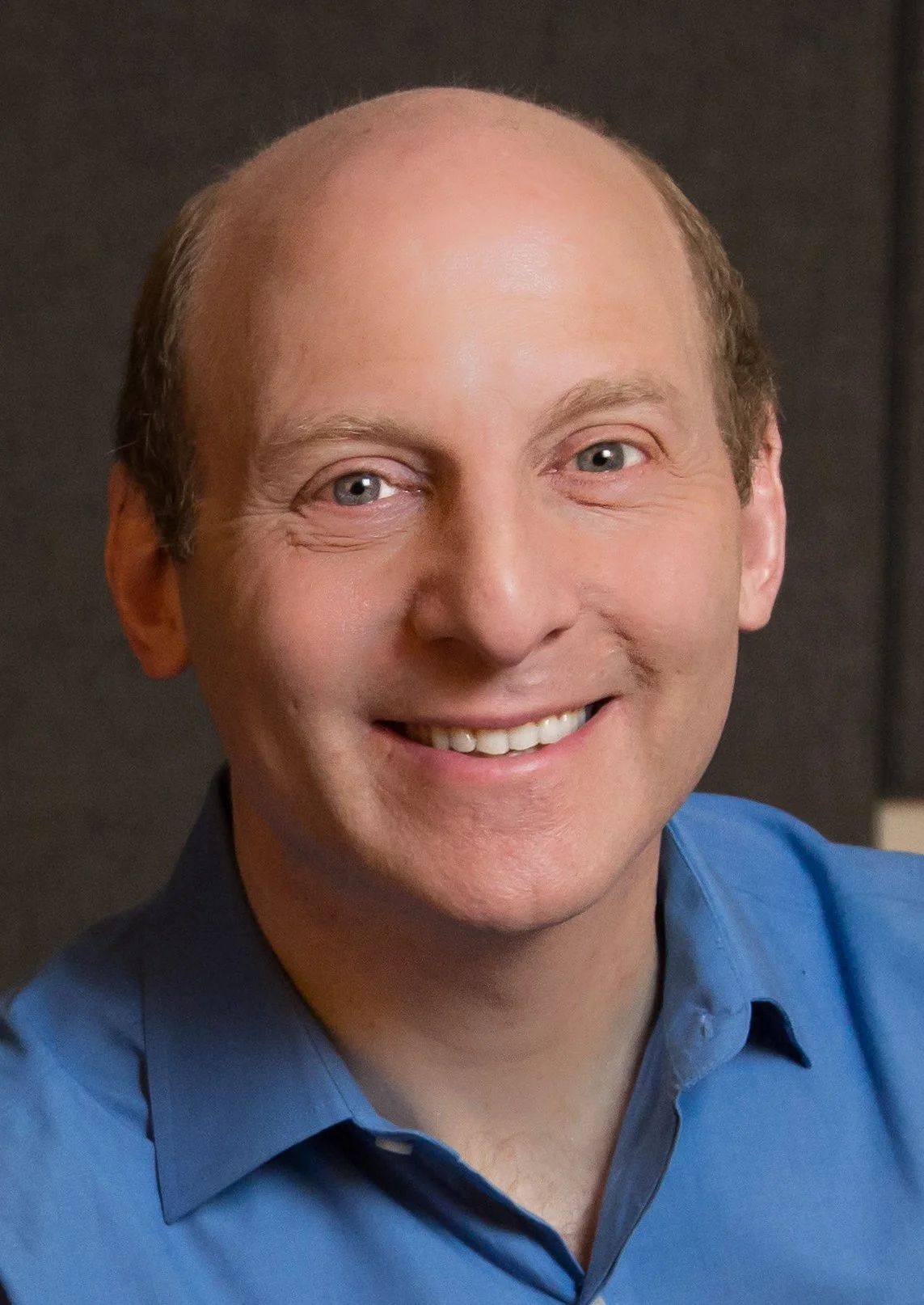
Photo: Elliot Mandel
James Ginsburg founded Cedille Records in 1989 to promote the work, careers, and legacies of Chicago’s finest classical musicians. He has personally produced well over 150 recordings for Cedille (and other labels), working closely with artists and engineers to maintain the label’s reputation for musical and sonic excellence, and has overseen the release of Cedille’s more than 250 albums. Cedille and its recordings have garnered eight Grammy Awards and 38 nominations, including two for Ginsburg as Producer of the Year, Classical. Thanks to Ginsburg’s leadership, the work of more than 180 classical musicians and ensembles from Chicago has been promoted to listeners worldwide and well over 450 works have received world-premiere recordings.
About The Haymarket Review: This digital publication including thoughts about the work produced by Haymarket is designed to deepen our connection to audiences, nurture and feed audience curiosity about historical performance, offer critical opinions and thoughtful reflections on our performances, and provide a forum for Haymarket and its audience to connect through sharing insights, opinions, learning, and expertise.